Existing Cottage Conditions
Older roof framing, previous additions, layered materials, and repaired penetrations can change what is discovered once the existing covering is evaluated or removed.
Inlet Beach includes classic coastal cottages, newer homes, townhomes, and managed vacation properties, so a roof installation cannot be treated as a standard city-name swap. Coastal Florida Quality Roofs evaluates the existing structure or construction plan, defines the complete assembly, and accounts for Gulf wind, salt air, heavy rain, heat, and property access.
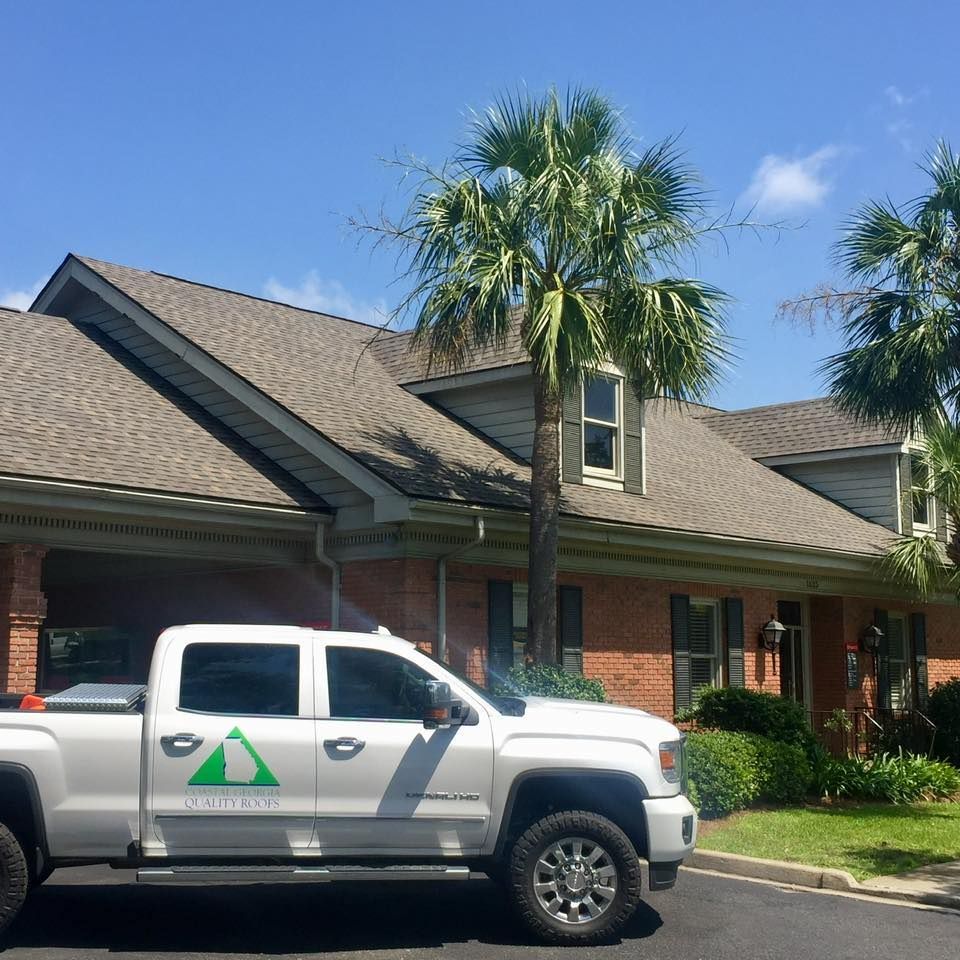
Classic beach cottages, newer homes, townhomes, and managed vacation properties can present very different roof decks, slopes, additions, and access conditions. A good installation starts by identifying what is already there and where water, wind, and heat will stress the new system.
Older roof framing, previous additions, layered materials, and repaired penetrations can change what is discovered once the existing covering is evaluated or removed.
Roof openings, wall tie-ins, valleys, ventilation, drainage, and exterior finishes should be coordinated before installation crews are asked to solve conflicts in the field.
Wind-driven rain and salt-laden air place extra pressure on roof edges, flashings, fasteners, seams, vents, and other exposed components.
Narrow sites, occupied rentals, second homes, and managed properties benefit from a documented contact, staging plan, protection plan, and decision process.
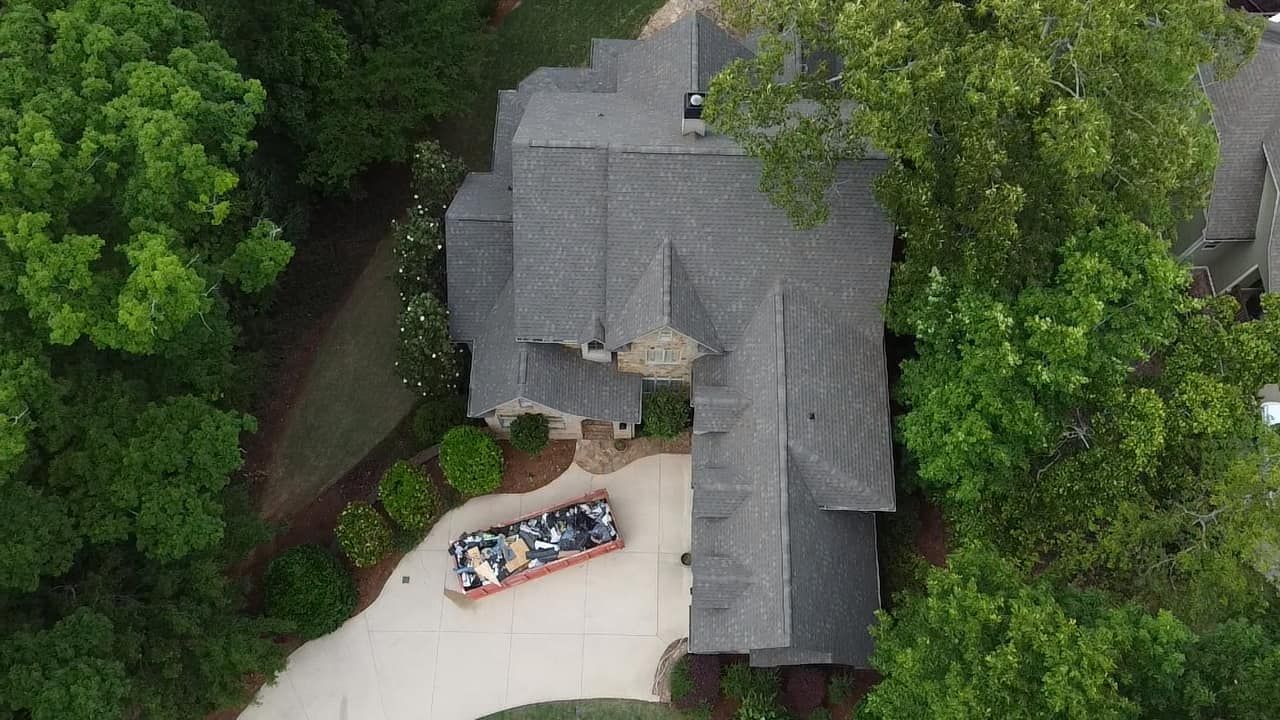
Installation may be needed because a structure is new, an addition changes the roof, an older assembly is being fully removed, or repeated failures show that isolated repairs will not restore dependable protection.
A complete installation is unnecessary when the defect is truly limited and the surrounding roof remains dependable. In that situation, a roof repair can be the more practical answer. We explain which condition applies and why.
The right material must work with the property’s structure, pitch, roof shape, drainage, appearance, maintenance plan, and exposure. Installation quality then depends on the layers and details beneath and around that material.
Architectural shingles can suit many cottages, houses, and townhome roof areas when the slope and structure are compatible. Underlayment, starter, fastening, valleys, flashings, vents, and edges complete the system.
Standing-seam and exposed-fastener metal roofs have different attachment and maintenance requirements. Panel length, finish, fasteners or clips, closures, penetrations, transitions, and corrosion compatibility should be defined first.
Some properties include specialty materials or roof areas with different slopes and drainage behavior. Structural conditions, transitions, water routes, and manufacturer installation requirements must be evaluated before combining systems.
The process begins by separating assumptions from observable conditions. We then define the roof assembly, prepare the property, install in a controlled sequence, and review the finished details.
For existing buildings, we inspect the accessible roof, deck indicators, drainage, ventilation, penetrations, and previous work. For new construction, we review the available roof conditions and planned details.
The proposal identifies material, underlayment, removal, known substrate work, flashings, edges, ventilation, access assumptions, exclusions, and pricing.
We organize staging and protection, remove existing roofing when required, address documented conditions, and install the roof components in the proper sequence.
Critical edges, valleys, transitions, penetrations, drainage points, visible finishes, and cleanup receive a final review before the project is closed.
The roof’s age alone does not answer the question. A good recommendation weighs the failure source, number of affected areas, condition of the deck and surrounding materials, and whether new work can integrate reliably with what remains.
An Inlet Beach estimate should reflect the actual roof, not a broad neighborhood average. Roof shape, material, existing layers, deck repairs, access, occupied-property protection, ventilation, flashings, penetrations, and drainage details all change the labor and materials required.
Coastal Florida Quality Roofs is licensed and insured in Florida and serves Inlet Beach and Walton County from Panama City. We inspect the conditions, explain the tradeoffs in straightforward language, and build the installation scope around the property instead of forcing every roof into one package.
Florida license CCC026486 identifies the contractor responsible for the project and provides a verifiable license number for owners and project representatives.
Roof edges, underlayment, flashings, penetrations, fasteners, ventilation, and drainage all matter where wind, rain, sun, humidity, and salt exposure overlap.
The inspection is designed to identify the appropriate scope. We explain when a repair is sufficient and when a complete installation has a defensible reason.
Older cottages, new homes, rentals, and townhome projects raise different questions. These answers explain the decisions that matter across those property types.
Often, yes, but the existing structure and deck conditions must be evaluated. Previous additions, layered roofing, altered ventilation, old flashing, and concealed damage can affect the scope. The estimate should distinguish known work from conditions that can only be confirmed during tear-off.
Roof geometry, slope, sheathing or substrate, wall transitions, penetrations, ventilation, drainage, edge details, and exterior finishes should be coordinated before installation. Resolving those interfaces early reduces field changes and weak improvised details.
Both can be appropriate on compatible structures. The decision should consider roof slope, geometry, appearance, budget, maintenance, finish, fastening approach, penetrations, transitions, and expected exposure. No material performs well when the surrounding assembly is poorly installed.
The affected area should be documented and addressed before the new roof covers it. The proposal should explain how substrate repairs are evaluated and approved because the full extent of concealed deterioration may not be visible during the initial inspection.
Confirm who can provide access, make project decisions, approve documented scope changes, coordinate occupants, clear parking or staging areas, and receive completion information. A single authorized contact helps prevent delays and conflicting instructions.
Yes. Rain, wind, heat, and rapidly changing coastal conditions can affect safe work, tear-off, open-roof exposure, and material handling. The sequence should protect the structure first, with schedule updates based on actual site conditions rather than an unsupported fixed promise.
Yes. Coastal Florida Quality Roofs is licensed and insured under Florida roofing license CCC026486. The company provides free comprehensive inspections and zero-pressure diagnostic evaluations for Inlet Beach roofing projects.
A cottage renovation, new home, townhome project, or complete reroof can expose very different structural and detailing needs. Coastal Florida Quality Roofs will evaluate the project, explain the material and system decisions, and prepare an installation estimate based on what the property requires.
Free roof evaluations for Inlet Beach homeowners, builders, property managers, HOAs, and commercial owners.
Book a Free Roof EvaluationCoastal Florida Quality Roofs • 1406 Trout Drive, Panama City, FL 32408 • Serving Inlet Beach • Florida License CCC026486